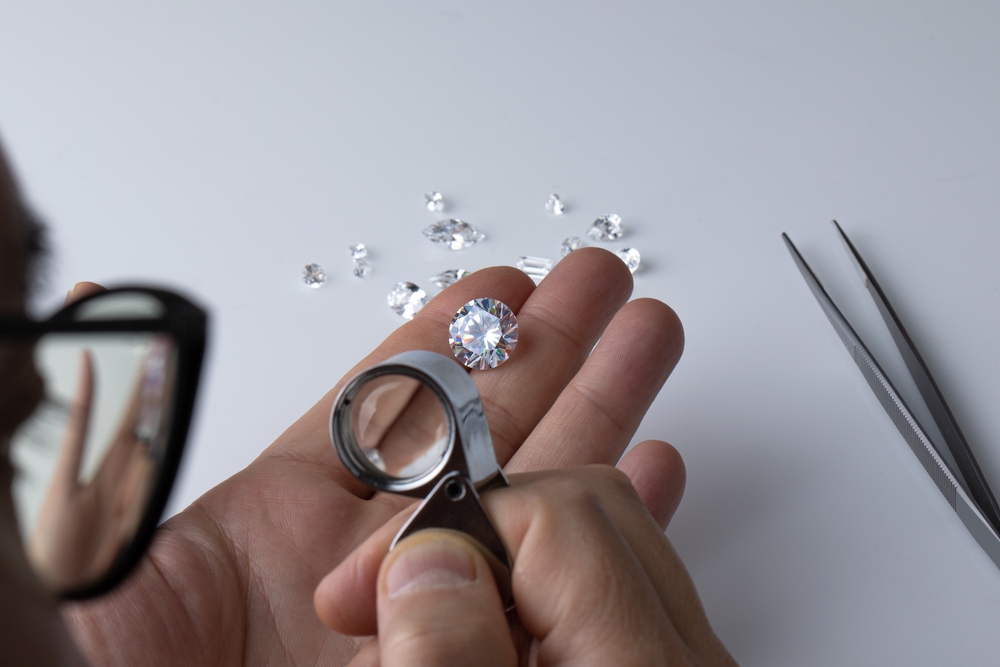
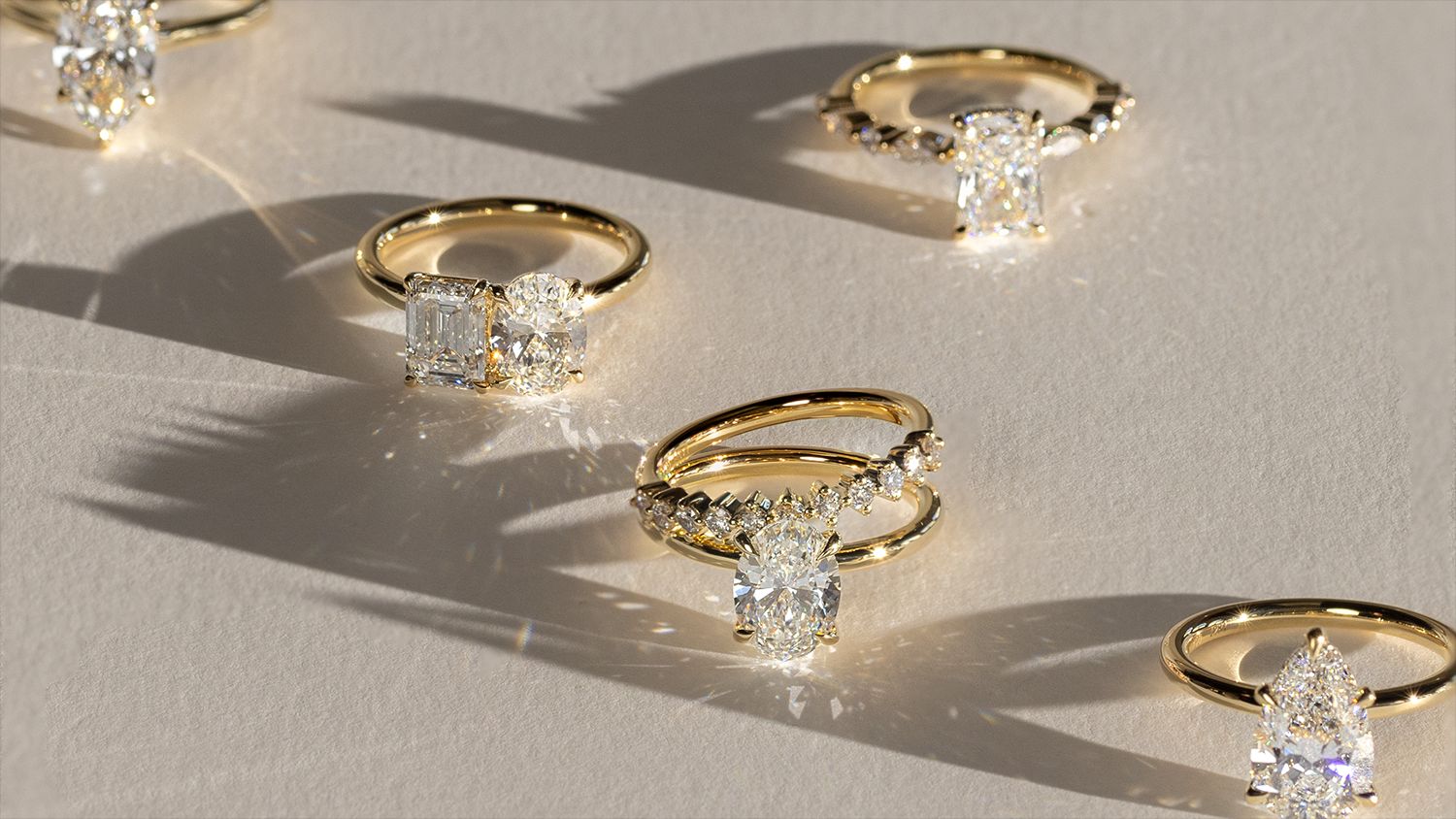
In recent years, lab-grown diamonds have emerged as a revolutionary alternative to mined diamonds. These ethically sourced and environmentally friendly gems are gaining popularity across the globe. Among the various methods used to create these diamonds, Chemical Vapor Deposition (CVD) stands out as one of the most advanced and widely adopted techniques. Let’s explore the fascinating world of lab-grown diamonds, their production process, and why they are becoming the preferred choice for modern consumers.
What Are Lab-Grown Diamonds?
Lab-grown diamonds, also known as synthetic or cultured diamonds, are chemically and physically identical to natural diamonds. The only difference lies in their origin—while natural diamonds form deep within the Earth over billions of years, lab-grown diamonds are created in controlled laboratory environments using cutting-edge technology.
Key Characteristics of Lab-Grown Diamonds
-
Chemical Composition : Made of pure carbon, just like mined diamonds.
-
Physical Properties : Indistinguishable from natural diamonds under a microscope.
-
Ethical Sourcing : Free from the environmental and ethical concerns associated with diamond mining.
The CVD Process: How Lab-Grown Diamonds Are Made
One of the most innovative methods for producing lab-grown diamonds is Chemical Vapor Deposition (CVD) . This technique involves creating diamonds by breaking down carbon-rich gases into plasma, which then crystallizes into diamond layers. Here’s how it works:
Step 1: Seed Placement
A small diamond seed, often a natural or previously grown diamond, is placed inside a vacuum chamber. This seed acts as the foundation for the new diamond to grow.
Step 2: Gas Introduction
Hydrocarbon gases, such as methane, are introduced into the chamber. These gases are rich in carbon, the primary element required to form diamonds.
Step 3: Plasma Formation
The gases are heated to extremely high temperatures (around 800–1200°C) using microwaves or lasers. This energy breaks down the gas molecules, releasing carbon atoms that form a plasma cloud.
Step 4: Diamond Growth
The free carbon atoms bond to the diamond seed in a crystalline structure, layer by layer. Over time, this process results in the formation of a fully grown diamond.
Step 5: Cutting and Polishing
Once the diamond reaches the desired size, it is removed from the chamber, cut, and polished to perfection.
Advantages of Lab-Grown Diamonds
Ethical and Environmental Benefits
-
Conflict-Free : Lab-grown diamonds eliminate the risk of “blood diamonds” or conflict diamonds, which fund violence and exploitation in war-torn regions.
-
Eco-Friendly : The CVD process has a significantly lower environmental impact compared to traditional diamond mining, which often leads to deforestation, soil erosion, and water pollution.
Cost-Effectiveness
Lab-grown diamonds are typically 20–40% cheaper than their mined counterparts. This affordability makes them an attractive option for budget-conscious buyers without compromising on quality or beauty.
Customization Opportunities
With lab-grown diamonds, manufacturers can control the size, color, and clarity of the gemstones, offering customers a wide range of customization options.
Comparing CVD and HPHT Methods
While CVD is one of the most popular methods for growing diamonds, another technique called High Pressure High Temperature (HPHT) is also widely used. Both methods have their unique advantages and applications.
CVD vs. HPHT: A Quick Comparison
Why Choose Lab-Grown Diamonds?
For the Environment
Traditional diamond mining has a devastating impact on ecosystems. Lab-grown diamonds offer a sustainable solution that reduces carbon emissions and conserves natural resources.
For Ethics
Consumers today are increasingly conscious of the origins of the products they buy. Lab-grown diamonds provide peace of mind, knowing that no human rights abuses or environmental damage were involved in their creation.
For Innovation
The advancements in CVD technology showcase humanity’s ability to replicate nature’s wonders while improving upon them. Lab-grown diamonds represent the perfect blend of science and artistry.
Conclusion
Lab-grown diamonds, especially those produced through the CVD method, are transforming the jewelry industry. They offer a guilt-free, sustainable, and cost-effective alternative to mined diamonds without compromising on beauty or quality. As awareness about ethical consumption continues to grow, lab-grown diamonds are poised to become the future of luxury. Whether you’re looking for an engagement ring, a gift, or simply a dazzling piece of jewelry, lab-grown diamonds are a brilliant choice that aligns with modern values.
So, the next time you’re in the market for a diamond, consider going lab-grown—it’s a decision you can feel good about!